

Root Canal Treatment in Pune
Saving an infected or badly decayed tooth, and relieving the pain that comes with it.
- Home
- Services
- Restorative Dentistry
- Root Canal Treatment
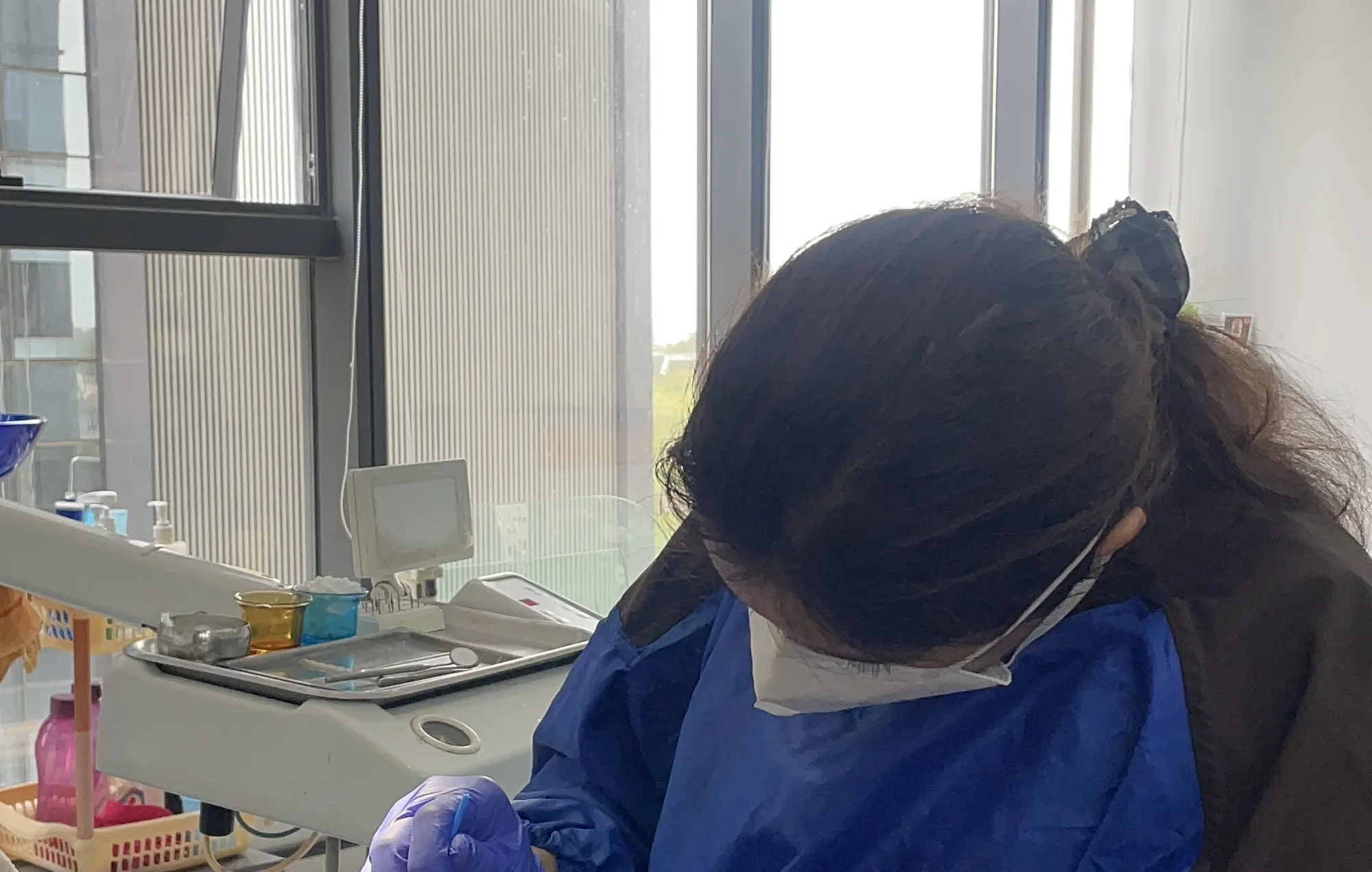
What is root canal treatment?
Root canal treatment removes infected or inflamed pulp (the soft tissue, nerves and blood vessels) from inside a tooth. The dentist then cleans, fills and seals the canals. A tooth that might otherwise need extraction can be saved and kept in function.
At Prudent Dental Clinic in Viman Nagar, root canal treatment is carried out by Dr. Puja Bansal (BDS), a dental surgeon with 27 years of experience. Every case begins with an examination and X-ray so treatment is planned around your tooth.
Key takeaways
- Root canal treatment removes infected pulp from inside a tooth so the natural tooth can be saved instead of extracted.
- It is usually carried out to relieve the pain and infection of a damaged tooth, under local anaesthesia.
- Pulp damage can cause sensitivity to hot and cold, a constant throbbing or dull ache, or pain on chewing.
- A crown is often recommended afterwards, especially on back teeth, to protect the treated tooth.
- Cost is quoted individually after an examination and X-ray. There is no fixed online price.
When is a root canal needed?
The inside of a tooth contains a soft core called the pulp. When deep decay, a crack or repeated dental work lets bacteria reach the pulp, it can become inflamed or infected. Left untreated, this can spread and lead to an abscess, so the tooth may need either root canal treatment or removal.
Symptoms vary from person to person, and some infected teeth cause little or no pain at first. A dental examination and X-ray are the reliable way to confirm what is happening inside the tooth.
Signs you may need treatment
- Sensitivity to hot or cold foods and drinks
- A constant throbbing pain or a dull, lingering ache
- Pain on chewing or pressing on the tooth
- Swelling or tenderness in the nearby gum
- A tooth that has darkened in colour
If you have these symptoms, see a dentist. They do not always mean a root canal is needed, but they should be checked.
What does root canal treatment involve?
1
Examination & X-ray
We examine the tooth and take an X-ray to confirm the diagnosis and map the shape of the root canals.
2
Numbing the tooth
Local anaesthesia is given so the tooth and surrounding area are numb throughout the procedure.
3
Removing the pulp
The infected or inflamed pulp is removed and the canals are carefully cleaned and shaped.
4
Filling & sealing
The cleaned canals are filled and sealed with an inert material to prevent re-infection.
5
Restoring the tooth
A permanent filling or, often, a crown is placed to protect the tooth and restore normal chewing.
Depending on the tooth, treatment may be completed in one visit or spread across more than one appointment. You will receive aftercare advice once treatment is complete.
Why save the tooth?
- Keeps your own natural tooth in place
- Preserves your normal bite and chewing
- Helps maintain the surrounding bone and neighbouring teeth
- Relieves the pain caused by the infected pulp
- Often more straightforward than replacing the tooth later
If a tooth is too damaged to save, we will discuss replacement options such as a bridge or a dental implant.
What about cost?
There is no single price for root canal treatment because every tooth is different. The total depends on which tooth is involved, how many canals it has, and whether a crown is needed afterwards. After your examination and X-ray, we give you a clear, written quote so you know exactly what to expect. No surprises.
Request a ConsultationWhat does a root canal cost?
There is no single price. What you pay depends on your own mouth, so we examine first and give you a written, itemised quote rather than publishing a flat figure that would not apply to you.
Root canal cost: what you are paying for explains exactly what drives the cost and how to compare quotes fairly. See also our dental treatment cost guide.
Root canal treatment FAQs
Sources & further reading: Indian Dental Association; World Health Organization, Oral Health.
Also explore restorative dentistry, crowns & bridges, composite fillings, and our sterilisation & safety standards.
Tooth pain or sensitivity? Talk to Dr. Bansal. Call +91 70287 22200.
Call +91 70287 22200 · Open 7 days, 9 AM–9 PM (5 PM Sun)