

Key takeaways
- Most implant failures are preventable. The single biggest cause is infection around the implant from plaque that is not cleaned away.
- Smoking and poorly controlled diabetes both slow healing and are among the strongest risk factors for problems.
- Too little bone, heavy grinding and rushed planning can also cause failure. A careful assessment and X-ray come first for a reason.
- Daily cleaning, not smoking, controlled blood sugar and regular reviews protect an implant far more than the implant brand ever does.
Dental implants are one of the most reliable ways to replace a missing tooth, and outright failure is uncommon when a case is planned and cared for well. But implants are not indestructible. Understanding what actually causes them to fail, and how each cause is prevented, is the best way to protect the one going into your mouth.
What causes dental implant failure?
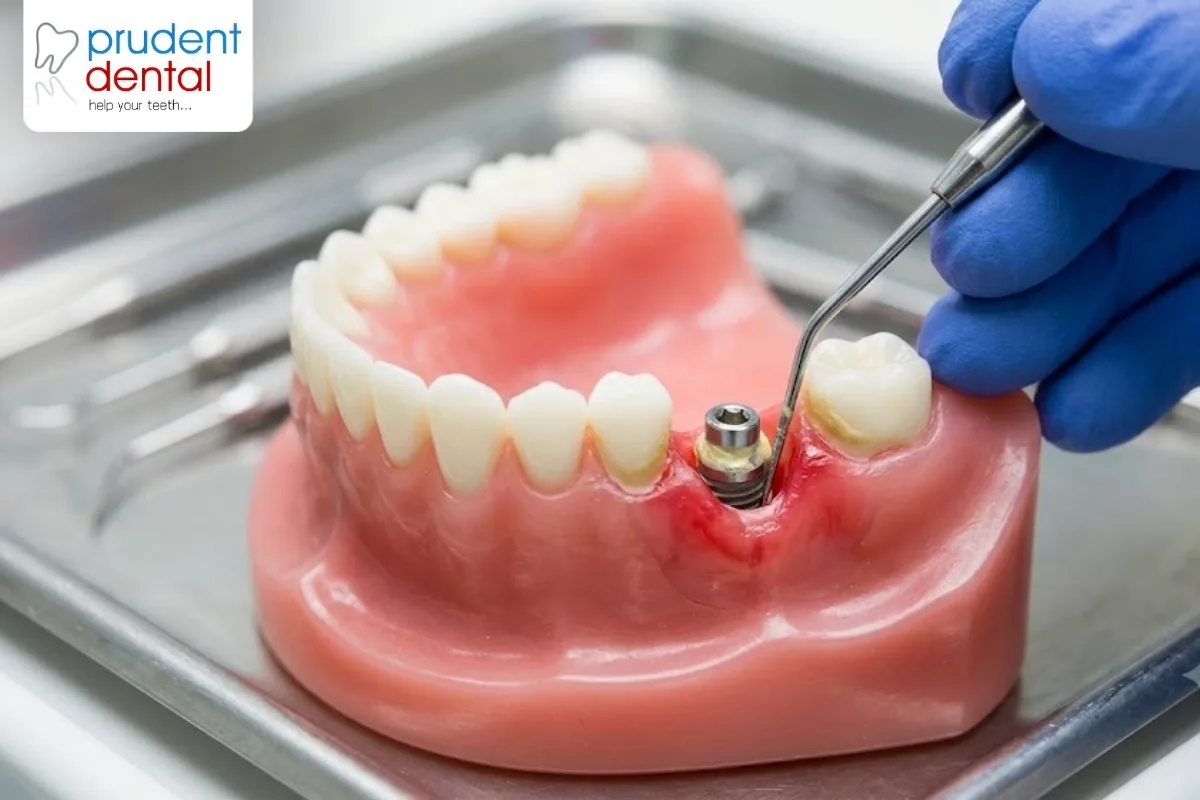
Most implant failures trace back to a handful of causes: infection around the implant from plaque (peri-implantitis), smoking, poorly controlled diabetes, insufficient jaw bone, excessive bite force from grinding, and rushed or incomplete treatment planning. The reassuring part is that almost all of these are identifiable and manageable.
It helps to separate two stages. Early failure happens in the first weeks or months, before the bone has fully fused to the implant. It usually reflects a healing problem, such as infection at surgery, smoking, or high blood sugar. Late failure happens years later, once the implant has been working normally, and is most often caused by gum infection creeping in around a poorly cleaned implant. Different causes, but the same practical lesson: healing and hygiene decide the outcome.
A dental implant cannot decay the way a natural tooth can, but the gum and bone that anchor it are living tissue. Look after that tissue and the implant tends to look after itself.
Why did my dental implant fail?
A failing implant almost always points back to one or more of the known causes rather than bad luck. Infection from plaque is the most common, followed by smoking, high blood sugar, overload from grinding, and too little supporting bone. Only your dentist can confirm the exact reason after examining the implant and an X-ray.
Here is how each main cause works, and what prevents it:
| Cause of failure | Why it harms the implant | How it is prevented |
|---|---|---|
| Peri-implant infection (poor hygiene) | Plaque left around the implant inflames the gum and can erode the bone that holds it | Daily cleaning as instructed, plus regular professional scaling and reviews |
| Smoking | Slows healing and reduces blood supply to the gums, weakening early integration | Stopping, or at minimum pausing around surgery and healing |
| Uncontrolled diabetes | High blood sugar impairs healing and raises infection risk | Getting blood sugar well controlled before and after treatment |
| Insufficient bone | Too little bone volume gives the implant a weak foundation | Imaging first, with bone grafting to rebuild volume where needed |
| Excessive bite force / grinding | Heavy or repeated overload can stress the implant and surrounding bone | A night guard and a carefully balanced bite |
| Poor initial planning | Skipping assessment or imaging can place an implant in the wrong site or angle | A thorough examination, X-ray and treatment plan before any surgery |
Notice how many of these overlap with everyday gum health. Keeping plaque under control with good brushing and professional scaling and polishing is the same habit that protects both natural teeth and implants. Smoking and diabetes each deserve special attention, and we cover them in more depth in our guide on implants for diabetics and smokers.
How do I stop my implant from failing?
Protect an implant the way you would protect a natural tooth, only more carefully. Clean around it every day as your dentist shows you, do not smoke, keep any diabetes well controlled, wear a night guard if you grind, and attend regular reviews so early gum inflammation is spotted while it is still reversible.
A simple maintenance routine keeps almost every preventable cause in check:
- Clean thoroughly, every day. Brush twice daily and clean between and around the implant using whatever tool your dentist recommends, whether that is floss, an interdental brush or a water flosser.
- Do not smoke. If you smoke, quitting is the single most valuable change you can make for an implant. At minimum, pause around surgery and healing.
- Control your blood sugar. If you have diabetes, well-managed blood sugar supports the healing an implant depends on. Share your latest readings with your dentist.
- Protect against grinding. If you clench or grind at night, a custom night guard shields the implant from overload.
- Keep your reviews. Regular check-ups let your dentist catch and treat early gum inflammation before it reaches the bone.
Good planning at the start matters just as much as good habits afterwards, which is why an implant should never be placed without an examination and imaging. At Prudent Dental Clinic in Viman Nagar, Pune, implant planning is led by Dr. Puja Bansal (BDS), an implantologist with 27 years of experience (Maharashtra State Dental Council reg. A8860). If you have an implant you are worried about, or are weighing treatment, you can book an assessment. The clinic is open seven days a week, 9 AM to 9 PM (5 PM on Sundays). An honest look at your gums, bone and general health comes first.
If you are looking at a bigger case, our 2026 guides to full mouth dental implants and same-day implants cover full-arch and immediate-load treatment in depth.
Sources & further reading
Indian Dental Association · NHS, Dental Health
Implant failure questions, answered
Worried about a dental implant? Talk to Dr. Bansal. Call +91 70287 22200.
Call +91 70287 22200 · Open 7 days, 9 AM–9 PM (5 PM Sun)