Key takeaways
- Plaque is a soft, constantly forming film you can remove at home by brushing and cleaning between your teeth.
- Tartar is plaque that has hardened onto the tooth. It cannot be brushed off and needs professional scaling.
- Scaling does not damage or loosen teeth. That is a myth. It removes the tartar that was harming your gums.
- DIY tartar scraping with metal tools is a bad idea. It scratches enamel and injures gums.
"How do I get this hard stuff off my teeth?" is one of the most common questions dentists hear, and the honest answer depends on what the stuff actually is. Soft plaque and hardened tartar are two different things, and only one of them can be dealt with at home. Getting that distinction right saves people from both wasted effort and, sometimes, real damage from DIY attempts.
Plaque and tartar are not the same thing
Plaque is a soft, sticky film of bacteria that forms on your teeth all day, every day. You can feel it as a slightly fuzzy coating. Because it is soft, it wipes away with a toothbrush and floss, which is exactly what daily cleaning is for.
Tartar, also called calculus, is what plaque becomes if it is left in place. Minerals from saliva harden it into a crusty deposit that bonds firmly to the tooth, usually along the gumline. Once plaque has turned to tartar, no amount of brushing shifts it. It has to be removed professionally. Tartar is also rough and porous, so it traps even more plaque against the gums, which is how gum problems get going.
How to remove plaque at home
Controlling plaque is genuinely within your hands, and the method is simple and consistent rather than clever:
- Brush twice a day for two minutes with a fluoride toothpaste, angling the bristles into the gumline where plaque gathers, not just across the flat surfaces.
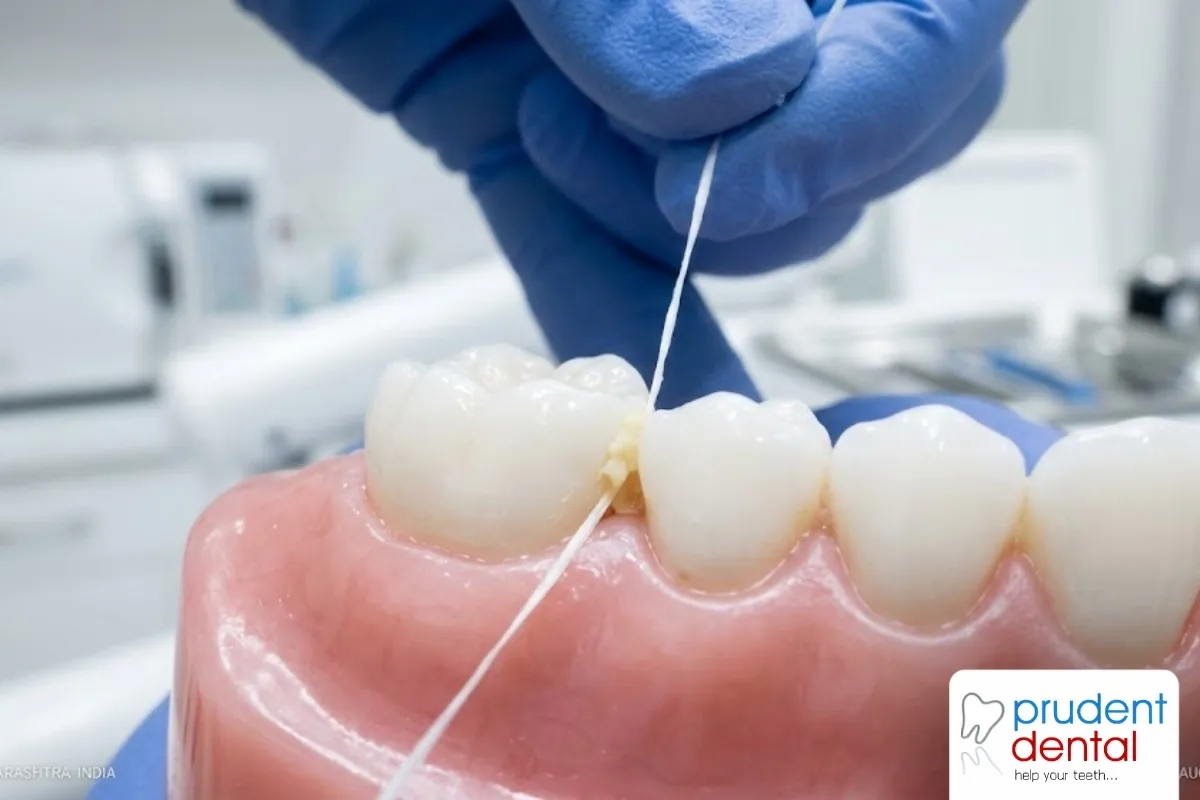
- Clean between your teeth once a day with floss or interdental brushes. A toothbrush cannot reach the surfaces between teeth, which is where a lot of plaque hides.
- Do not scrub harder, clean smarter. Gentle, thorough cleaning beats aggressive scrubbing, which wears enamel and irritates gums.
- Be consistent. Plaque re-forms within hours, so it is the daily routine, not the occasional deep effort, that keeps it in check.
Good plaque control also keeps breath fresher, since much of the odour comes from the same bacteria. We cover that in how to get rid of bad breath.
Plaque vs tartar at a glance
| Question | Plaque | Tartar (calculus) |
|---|---|---|
| What it is | Soft, sticky film of bacteria | Plaque hardened by minerals in saliva |
| Feels like | Slightly fuzzy coating | Crusty deposit, usually along the gumline |
| Removable at home? | Yes, with brushing and flossing | No, brushing cannot shift it |
| How to remove it | Brush twice daily, clean between teeth daily | Professional scaling by a dentist or hygienist |
| How fast it returns | Re-forms within hours | Builds when plaque is left in place |
Why you cannot remove tartar yourself
It is tempting to buy a metal scaler online and pick tartar off at home, and it is a genuinely bad idea. Those instruments are sharp, and without training and a mirror you cannot see what you are doing below the gumline. People who try usually scratch the enamel, cut their gums, or push bacteria deeper. The satisfying bits that come off are the easy surface pieces; the tartar that actually matters, packed under the gum, stays put. Tartar removal is a skilled procedure for a reason.
Does scaling loosen or damage teeth? The myth, addressed
This worry stops a lot of people from getting the cleaning they need, so it is worth being clear. Professional scaling removes tartar. It does not remove or weaken tooth structure, and it does not create gaps.
Here is where the myth comes from. When someone has a lot of tartar, it can build up like a splint around loose teeth and fill spaces left by receding gums. Take that tartar away and, for a short while, the teeth may feel slightly loose or the gaps may look more obvious, because you are now seeing the true state of gums that the tartar was hiding. Scaling did not cause that; it revealed it, and it gives the gums the chance to firm up and heal. Leaving the tartar there to "hold things together" only lets the underlying gum disease get worse.
The combination that actually works
Healthy teeth come from doing both halves of the job: you control the soft plaque every day at home, and a professional removes the hardened tartar you cannot reach. Neither works as well alone. For most people a cleaning every six months keeps things in check, with more frequent visits if you build tartar quickly or have gum disease.
At Prudent Dental Clinic in Viman Nagar, Pune, a scaling appointment is gentle, thorough and nothing to fear. The clinic is open seven days a week from 9 AM to 9 PM (5 PM on Sundays), and you can book a cleaning online or call.
Sources & further reading
Indian Dental Association · American Dental Association (MouthHealthy) · NHS, Dental Health
Plaque and tartar FAQs
Tartar you cannot brush away? A gentle cleaning sorts it. Call +91 70287 22200.
Call +91 70287 22200 · Open 7 days, 9 AM–9 PM (5 PM Sun)